
Search Brown County Probate Court Records
Brown County probate court records are maintained by the County Clerk in Brownwood, Texas. The clerk's office stores wills, estate files, guardianship documents, and all other probate filings for this central Texas county. Brown County has a population around 38,000 and handles probate through its constitutional county court. You can search for records at the courthouse in Brownwood or use state online tools like re:SearchTX. Whether you need a copy of a will, letters testamentary, or details on an estate case, the Brown County Clerk's office is the right place to go.
Brown County Overview
Brown County Probate Court Office
The Brown County Clerk's office in Brownwood is where all probate cases are filed and stored. The office is in the Brown County Courthouse on Center Avenue. Staff here accept new filings, issue letters testamentary, and maintain the official record of each probate case. The County Judge presides over probate hearings.
Brown County uses its constitutional county court for probate. There is no statutory probate court here. The County Judge handles probate matters along with other county court duties. This is how most smaller Texas counties work. The clerk indexes every document in a probate case so it can be found later by name or case number. If you are looking for a specific file, the clerk's staff can search their records and pull the case for you to review at the courthouse.
| Office | Brown County Clerk |
|---|---|
| Address | Brown County Courthouse, 200 S. Broadway, Brownwood, TX 76801 |
| Hours | Monday through Friday, 8:00 AM to 5:00 PM |
| Website | browncountytx.org |
Walk-ins are welcome during business hours. The staff cannot give legal advice, but they can help you find case files and get copies of probate documents.
How to Find Brown County Probate Records
There are a few ways to search for probate court records in Brown County. The most direct is to go to the courthouse in Brownwood. The County Clerk's staff will search by name or case number and pull the file. You can look through the documents right there. Plain copies cost a small fee per page. Certified copies cost more but have the court seal.
For online searching, use the re:SearchTX portal. This is a statewide tool run by the Texas courts. Type in a party name and it will show matching cases from counties that participate. Results include case numbers, filing dates, and docket entries. Not every Brown County record may be online yet, but it is the best free tool for remote searching.
The Brown County website has office contact details and basic county information. Check there for phone numbers if you want to call ahead before visiting.
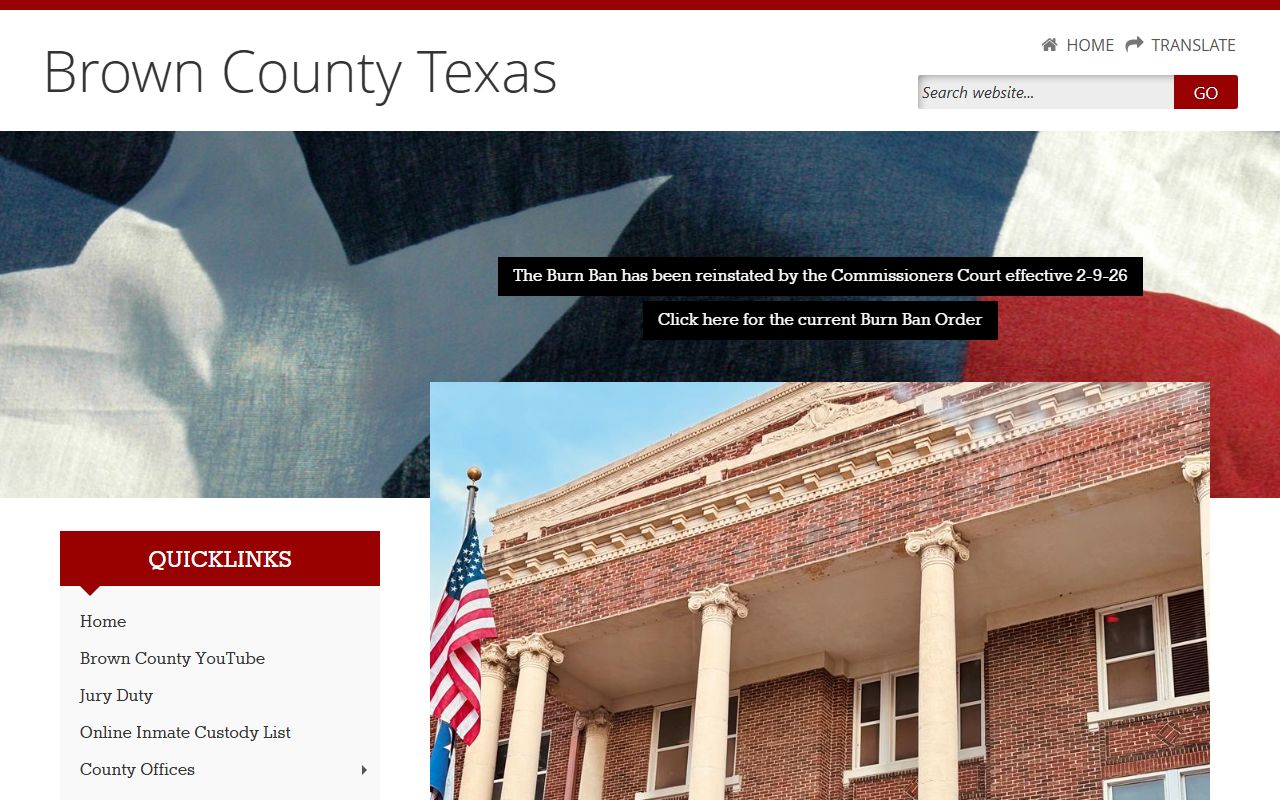
This page from the Brown County Clerk's site shows how to reach the office in Brownwood for record requests and filings.
Attorneys must e-file probate cases through eFileTexas. If you are not a lawyer, you can still use e-filing, but it is not required. Keep in mind that original wills must be hand-delivered to the clerk's office. You cannot submit a will through the electronic system. Texas rules say the original will must be on file within three business days of an electronic application.
Types of Probate Filings in Brown County
Probate cases in Brown County fall into several categories. The path you take depends on the facts of the estate. The most common is independent administration under Texas Estates Code Chapter 257. The will names an executor and requests independent administration. The court grants it. After that, the executor runs the estate on their own. No need for regular court reports. This saves families in Brown County both time and money.
When no will exists, the heirs may need to go through an heirship determination. Chapter 304 of the Estates Code covers this. The court holds a hearing where two witnesses testify about the family relationships. Then the judge enters an order that names who gets what. That order goes into the Brown County probate records and can be used to transfer property.
Small estate affidavits work for estates valued at $75,000 or less, not counting the homestead. Section 205 sets out the rules. Every heir has to sign. It is a quicker process and costs less in legal fees. Muniment of title under Chapter 256 is another option when there are no debts. The will is filed just to clear title to property. No executor is appointed.
Note: Dependent administration involves more court oversight and is used in Brown County when the will does not allow independent administration or there is no will and heirs disagree.
Probate Fees in Brown County
The cost to file a probate case in Brown County runs about $300 to $400. This includes the base filing fee and surcharges that go to the court technology fund, records management, and the law library. The exact total depends on the type of case.
You will also pay for copies. Plain copies from the clerk cost a per-page fee. Certified copies are more. Most people need certified copies of the order admitting the will and the letters testamentary. Banks, title companies, and financial firms almost always want to see certified documents before they release assets or transfer property. Letters testamentary are usually $2 each. A search by the clerk runs about $5.
If you cannot afford the filing fee, you can ask for a waiver. File a Statement of Inability to Afford Payment of Court Costs under Texas Rule of Civil Procedure 145. The form is on the Texas Courts website. The judge decides.
What Brown County Probate Records Contain
A probate case file in Brown County holds every document filed with the court from start to finish. The file gets bigger as the estate moves through the process. Key items include:
- The original will or a certified copy
- Application for probate or administration
- Court order admitting the will
- Letters testamentary or letters of administration
- Inventory and appraisement of estate assets
These are public records. The Texas Public Information Act under Government Code Chapter 552 gives the public the right to inspect and copy court documents. Some things get blacked out. Social Security numbers, bank account numbers, and other sensitive data are redacted from the public version of filings in Brown County.
Guardianship cases are also part of the probate docket. They contain the application, court orders appointing a guardian, annual reports, and financial accountings. Some medical records in guardianship files may be sealed by the court to protect the ward's privacy.
Legal Resources for Brown County Probate
You can handle a simple probate case in Brown County without a lawyer, though it takes some work. The Texas State Law Library has free guides on probate. They walk you through each step. The website texaslawhelp.org also has self-help materials for people dealing with estate matters on their own.
If you want to hire a probate attorney, call the State Bar of Texas referral line at (800) 252-9690 or search the directory at texasbar.com. Many lawyers near Brownwood handle probate and offer a first meeting at no charge. Court forms for pro se filers are at txcourts.gov.
The Texas State Library and Archives Commission holds historical probate records from many Texas counties. If you are searching for older Brown County estate files, they may have what you need in their archives.
Nearby Counties
These counties border Brown County. Probate is filed where the person lived at the time of death under Texas Estates Code Chapter 51. If you are not sure which county applies, check the last known address.