
Robertson County Probate Record Lookup
Robertson County probate court records are on file at the County Clerk's office in Franklin. These records include wills, estate administration files, guardianship cases, and heirship proceedings. If you need to search for a probate case in Robertson County, the clerk's office is the place to start. You can visit in person, call ahead, or check for online search options. The county handles all types of probate filings under the Texas Estates Code. Staff at the courthouse can pull case files by name or case number.
Robertson County Overview
Robertson County Clerk's Office
The Robertson County Clerk in Franklin is responsible for all probate court records in the county. The clerk files new cases, maintains existing records, and provides copies to the public. This office handles wills, estate administration, guardianship matters, and heirship proceedings. Staff can help you find a case by name or number.
| Office | Robertson County Clerk |
|---|---|
| Address | 187 N. Van Buren Street, Franklin, TX 77856 |
| Phone | (979) 828-4130 |
| Hours | Monday through Friday, 8:00 AM to 5:00 PM |
| Website | Robertson County website |
How to Search Robertson County Probate Records
The Robertson County Clerk's office in Franklin is the primary place to search for probate records. You can go to the courthouse and ask to look at case files. Bring the full name of the person whose estate you want to find. A date of death helps too. The clerk can search their index and pull the file for you to review.
Many Texas counties now offer some form of online case search. For Robertson County, check the Robertson County Clerk's website for current search tools. Not all counties have put their older records online. If the case you need is not in a digital system, you may need to visit the courthouse or call the clerk at (979) 828-4130 to ask for a manual search. The statewide re:SearchTX system run by the Texas Office of Court Administration also covers some county courts and may have Robertson County probate case data.
You can also file new probate cases through the eFileTexas system. This is the official electronic filing portal for Texas courts. Attorneys must use it. Non-lawyers can use it too but are not required to do so. The system accepts probate filings for county courts statewide.
For older records, the Texas State Library and Archives Commission may have historical Robertson County probate files. Some records going back more than 75 years have been microfilmed or digitized. FamilySearch.org also has free access to some Texas county probate indexes and documents.
Robertson County Probate Court Resources
The Texas State Law Library is a statewide resource that covers probate court records for all Texas counties, including Robertson County.
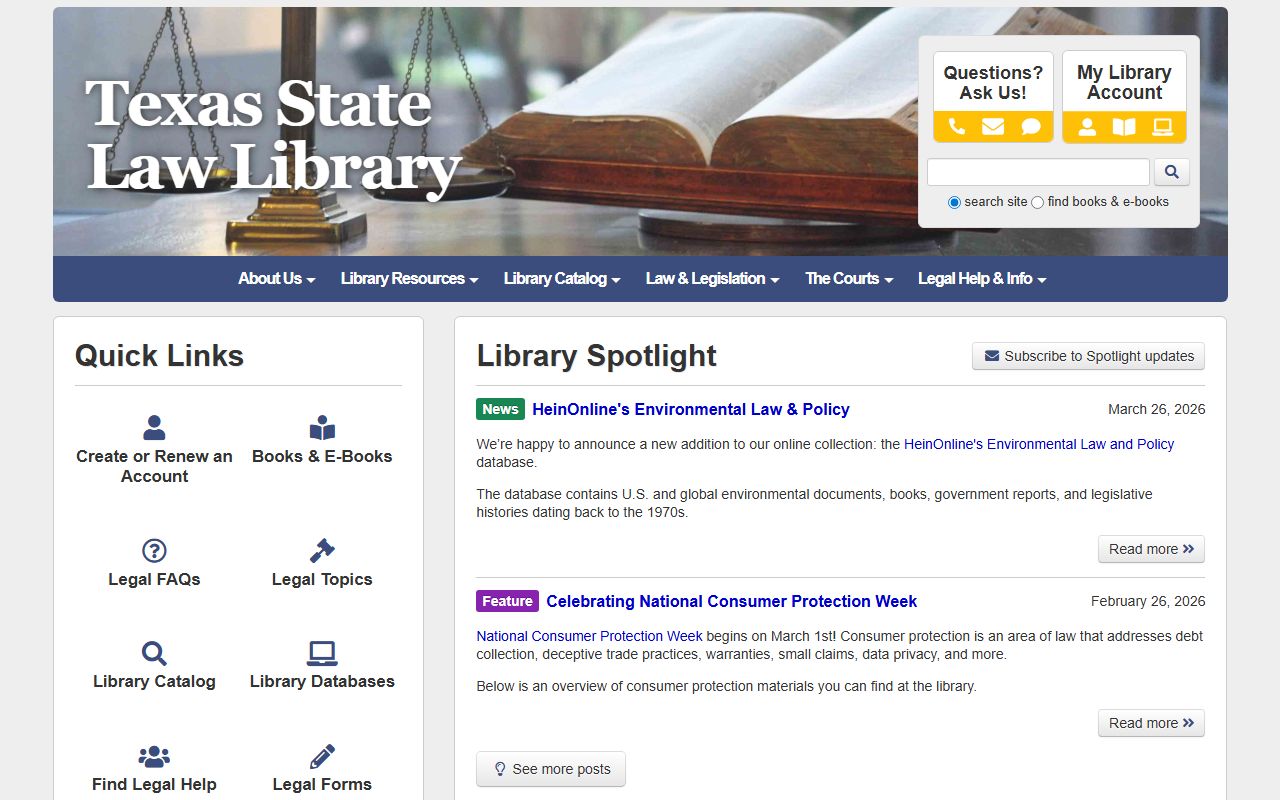
This state-level tool is useful when looking for Robertson County probate case data or filing procedures.
Probate Filing Process in Robertson County
Probate in Robertson County follows the Texas Estates Code. The process begins when someone files an application to probate a will or to determine heirship. The Robertson County Clerk assigns a case number and the county judge sets a hearing date. Texas law requires that the application be filed in the county where the deceased person lived.
For estates with a will, the most common path is independent administration under Chapter 257 of the Estates Code. This gives the executor broad authority to manage the estate without close court oversight. The executor must still file an inventory and list of claims within 90 days of being appointed. The Robertson County Clerk records all of these filings in the case file.
When there is no will, the court may appoint an administrator through dependent administration. This process requires more court involvement. The administrator must get approval for many actions, from paying debts to selling property. Heirship proceedings under Chapter 304 of the Estates Code determine who the legal heirs are. Two disinterested witnesses must testify about the family history of the deceased.
Small estates under $75,000 in assets may qualify for a simplified process. The Small Estate Affidavit under Section 205 of the Estates Code lets heirs collect assets without full probate. All heirs must sign the affidavit. It gets filed with the Robertson County Clerk and, once approved by the court, can be used to transfer property and collect bank accounts.
Note: Filing fees in Robertson County typically range from $250 to $400 depending on the type of probate case.
What Robertson County Probate Records Show
Probate records in Robertson County contain detailed information about a person's estate. The case file starts with the application for probate. If there is a will, a copy goes into the file. The court issues letters testamentary or letters of administration that give the executor or administrator legal authority to act. All of these documents are part of the public record at the Robertson County Clerk's office.
A typical Robertson County probate case file includes:
- The will or codicils (if one exists)
- Application for probate or administration
- Letters testamentary or letters of administration
- Inventory and appraisement of estate assets
- List of claims against the estate
- Court orders and hearing notices
- Final accounting and distribution report
Most probate records in Texas are public. Under Texas Estates Code Section 4.002, the public has the right to access court records. Some sensitive information gets redacted. Social Security numbers and bank account numbers are removed from public copies. Medical records may be sealed in guardianship cases. Records involving minor beneficiaries can have restricted access too.
Robertson County Probate Fees
Filing fees for probate cases in Robertson County follow the Texas fee schedule. The cost to open a probate case runs about $250 to $400. This covers the filing fee, court costs, and any statutory surcharges. The exact amount depends on the type of case. Simple will probates cost less than full estate administrations with dependent oversight.
Copies of probate documents have their own fees. Plain copies cost a set amount per page. Certified copies cost more. You need certified copies for things like transferring real property, changing bank accounts, or proving your authority as executor. The Robertson County Clerk at (979) 828-4130 can give you the current fee schedule.
If you cannot afford the filing fees, Texas law allows you to request a fee waiver. You file a Statement of Inability to Afford Payment of Court Costs under Texas Rule of Civil Procedure 145. The court reviews your financial situation and decides if you qualify. This form is available at the courthouse or on the Texas courts website.
Legal Resources for Robertson County Probate
If you need help with a probate matter in Robertson County, several resources are available. The State Bar of Texas lawyer referral service can connect you with an attorney who handles probate cases. Call (800) 252-9690. The TexasLawHelp website has free legal information and self-help guides for people who cannot afford a lawyer.
The Texas State Law Library in Austin offers research guides on probate topics. Their staff can help you find the right forms and statutes. The library is open to the public on weekdays. You can also access some of their digital resources from home with a free account.
Court forms for probate cases are available at txcourts.gov. The Texas Judicial Branch website has standardized forms for many types of filings. Check with the Robertson County Clerk to see if the local court requires any specific forms in addition to the state ones. Local rules can vary from one county to another.
Communities in Robertson County
Robertson County includes Franklin and several smaller communities. Residents across the county file probate matters at the Robertson County Clerk's office at the courthouse.
Even in small communities, the probate process follows the same Texas Estates Code rules. The County Clerk records all wills, estate filings, and guardianship cases for the whole county.
Nearby Counties
These counties are near Robertson County. If you are not sure which county handles a probate case, check the address where the deceased person lived. Probate cases must be filed in the right county under the Texas Estates Code.